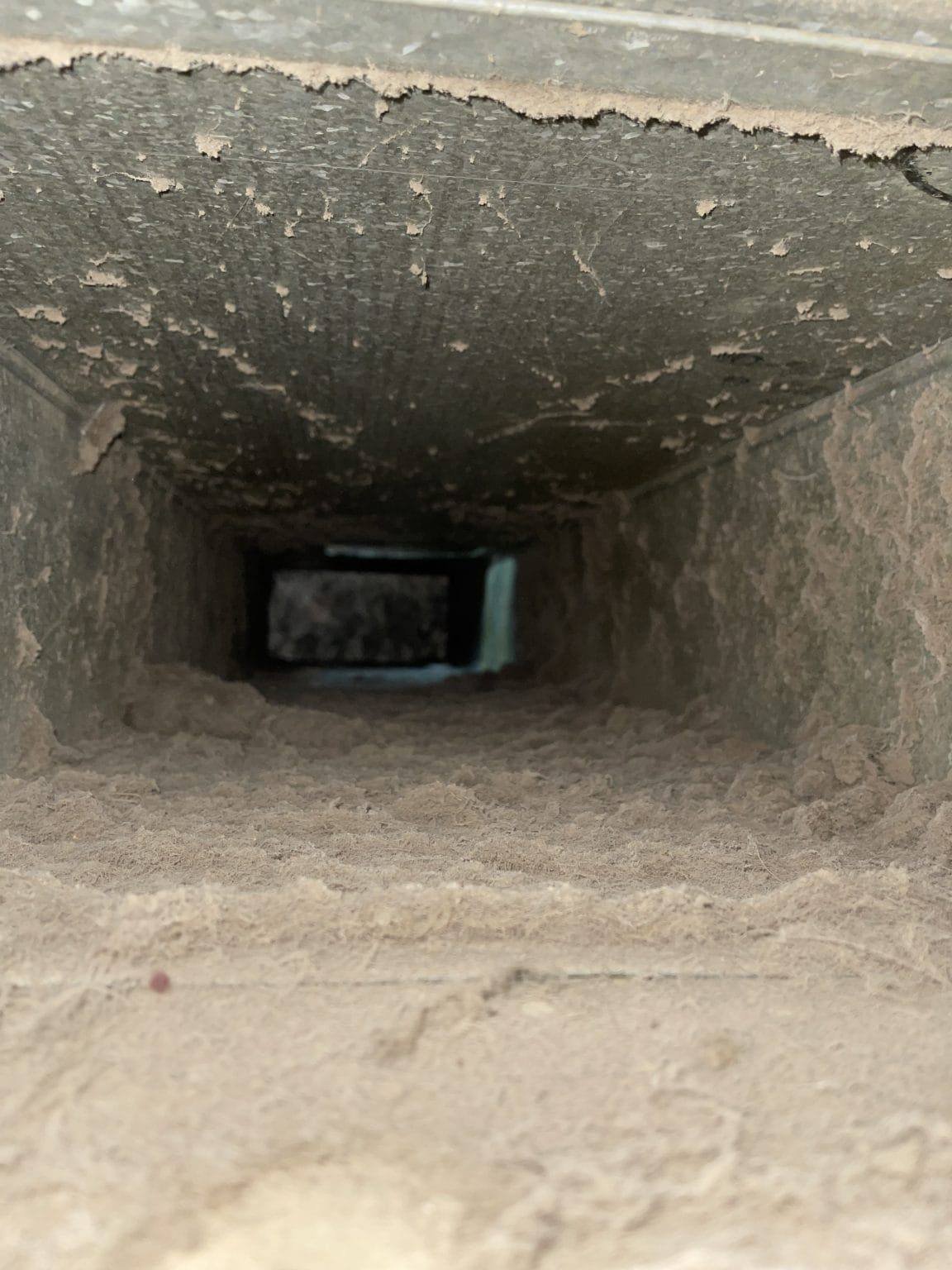
You vacuum the floors, wipe down the baseboards, change the furnace filter, and the house still smells damp. Some days it's faint. Other days it hits when the heat starts or the AC kicks on. In a lot of older Toronto homes, that smell isn't coming from the living room at all. It's coming from ductwork routed through a crawl space that stays cool, dark, and wet longer than the rest of the house.
That's why crawl space air duct cleaning in Toronto needs to be treated as its own job, not as a standard duct cleaning appointment with a different access point. Older housing stock across the GTA often hides duct runs in awkward, low-clearance spaces where moisture, insulation breakdown, and pest activity can build up for years. If the ducts pull air through that environment, whatever's sitting in and around them doesn't stay in the crawl space.
A lot of homeowners start by chasing the symptom. They scrub nearby surfaces, run scented products, or book general cleaning. Sometimes they also need to understand the moisture side first. If you're dealing with visible fungal growth in a confined underfloor area, this overview of the crawl space mold removal process is a useful reference because it separates surface cleanup from actual remediation. The same logic applies when a stale odour keeps returning through supply vents. It usually means the source was never removed.
If that smell has been hanging around no matter what you clean upstairs, this breakdown of why a house smells musty helps connect the indoor odour to hidden HVAC and moisture problems below the floor.
Table of Contents
- That Persistent Musty Smell Your Toronto Home Cant Shake
- Why Crawl Space Ducts Are a Unique GTA Problem
- Health and Structural Benefits of Targeted Cleaning
- The Professional Crawl Space Duct Cleaning Process
- DIY Dangers vs Professional Safety and Results
- How to Choose a Duct Cleaning Contractor in Toronto
- Frequently Asked Questions for Toronto Homeowners
That Persistent Musty Smell Your Toronto Home Cant Shake
The pattern is familiar in East York, Scarborough, older parts of Ajax, and plenty of post-war neighbourhoods across the GTA. A homeowner notices the smell is worse after rain, stronger in the morning, or most obvious when the furnace fan starts. They check the basement, maybe the laundry area, maybe under a sink. Nothing obvious shows up.
Then someone opens the crawl space hatch.
What's down there often explains everything. Older insulated duct runs can sweat, sag, or pull in contamination from a damp environment. If rodents have been through, if construction debris was left behind, or if the vapour barrier is poor or damaged, the duct system becomes a pathway that carries that underfloor air problem right into the rooms people use every day.
Musty air that comes and goes with heating or cooling cycles usually points to a system issue, not a housekeeping issue.
The mistake I see most often is treating the odour like it lives at the vent cover. It doesn't. The register is only the exit point. The source is usually deeper in the run, around the insulation jacket, near a damaged joint, or in the crawl space conditions surrounding the ductwork.
A proper crawl space duct job starts by asking a few plain questions:
- When does the smell get worse: During heat, cooling, humid weather, or after rain?
- What type of duct is in the crawl space: Sheet metal, flex duct, or older insulated runs?
- Is there visible moisture nearby: Wet soil, staining, mould on framing, or condensation on metal?
- Has the space had pest activity: Droppings, nesting, torn insulation, or entry points?
Those answers matter because crawl space air duct cleaning in Toronto isn't just about removing dust. It's about identifying whether the duct system is acting like a delivery route for damp air, mould spores, animal debris, and deteriorating insulation fibres.
Why Crawl Space Ducts Are a Unique GTA Problem
In Toronto's older housing stock, crawl space ductwork often sits in the worst part of the building envelope. It is close to soil, exposed to seasonal humidity swings, and usually hidden behind poor access. That combination changes the cleaning method. A standard duct cleaning truck and rotary brush setup is built to remove loose dust from a reasonably dry system. Crawl space ducts often need moisture control, contamination assessment, and selective duct repair before cleaning will hold.

The environment around the duct matters as much as the duct
A crawl space is hard on ductwork. Wet soil raises humidity. Cold metal surfaces collect condensation. Old tape fails, insulation sags, and small air leaks start pulling in whatever is floating around that space.
That is the part generic duct cleaning pages usually gloss over. The primary issue is not only what is inside the duct. It is whether the duct is passing through a damp, contaminated zone that keeps reintroducing odours, spores, and debris after the cleaning is done. In many Toronto homes built decades ago, the duct system and the crawl space condition have to be treated as one problem.
Several site conditions show up again and again in the GTA:
- Exposed or poorly covered earth: Moisture rises from the ground and keeps the space damp.
- Condensation on metal runs: Warm season humidity and cold duct surfaces create sweating.
- Older insulation jackets: Age and moisture break them down, and damaged insulation can hold contamination.
- Leaky joints and disconnected sections: The system pulls crawl space air into the supply or return path.
- Poor access for inspection: Problems sit for years because nobody sees them during routine maintenance.
Canadian home inspectors regularly point to ground covers and moisture control as part of crawl space management. This Canadian crawl space vapour barrier discussion reflects the same issue HVAC technicians run into in the field. If the ground is open and the air stays damp, ducts below the floor will not stay clean for long.
Why standard cleaning misses the real issue
A standard whole-home duct cleaning usually focuses on dust removal from the interior of the runs. That works well enough in a dry basement or a mechanical room. It falls short in a crawl space if the duct exterior is wet, the insulation is contaminated, or the joints are leaking.
In those cases, pre-treatment matters. The contractor may need to inspect for damaged flex duct, remove failed insulation, seal accessible joints, or recommend moisture corrections before the system is cleaned. Otherwise, the home gets a short-term improvement and the same smell comes back with the next humid stretch.
The same moisture habits that protect a basement apply here too. This guide on how to prevent mould in the basement is useful because controlling water, humidity, and hidden air movement below the house directly affects how clean crawl space ducts stay.
Practical rule: If the crawl space has a moisture problem, duct cleaning alone is only part of the repair.
Health and Structural Benefits of Targeted Cleaning
The payoff from targeted cleaning shows up in two places. People notice it in the air first, and then they see it in the equipment and the condition of the home.

What changes in the air people breathe
In homes with crawl spaces, duct cleaning becomes critically important because ducts running through these unconditioned areas accumulate dust and biological contamination that reduces HVAC efficiency and indoor air quality, requiring specialized cleaning of the ductwork rather than the crawl space itself, as explained in this overview of crawl space duct contamination and indoor air quality.
That matters most in homes with allergies, asthma, smokers, or pets. Even when contamination isn't dramatic, the air can feel stale, heavier, or harder on sensitive occupants because the system keeps moving fine particles and odours through the house.
Targeted cleaning helps by removing what enters the airflow path, not just what's visible at the grille. That includes settled debris in low sections, contamination near branch lines, and residue left where dampness allowed material to cling to the interior.
What changes in the house itself
The structural side is less obvious, but it's just as important. Dirty crawl space ducts don't only affect breathing comfort. They can also make the system work harder if debris builds up, if insulation around the duct is compromised, or if leaks let conditioned air dump into the crawl space instead of the rooms above.
A proper service visit often uncovers issues a homeowner wouldn't otherwise see:
- Loose or disconnected sections: Common in older access-limited spaces.
- Insulation failure: Wet or torn wraps lose their purpose fast.
- Condensation clues: Water staining, corrosion, and darkened surfaces.
- Pest entry points: Gaps around penetrations or damaged duct jackets.
A clean duct system won't solve a moisture problem by itself, but it often reveals exactly where the house is losing the fight.
There's also a straightforward maintenance benefit. The EPA notes that ducts in non-air-conditioned spaces, including crawl spaces, should be properly sealed and insulated to prevent condensation, mould growth, and energy loss. That guidance appears in the EPA's discussion of whether air ducts should be cleaned and how they should be maintained.
The Professional Crawl Space Duct Cleaning Process
A proper crawl space duct cleaning job starts before any brush or air whip touches the duct. In older Toronto homes, the bigger risk is not dust alone. It is what dust has mixed with after years in a damp crawl space. That can include soil fines, rodent debris, insulation fibres, and residue stuck to the duct interior after repeated condensation.
A general overview of home duct cleaning helps set the baseline. Crawl space systems need more than that baseline because the work often involves moisture staining, limited access, fragile older duct runs, and contamination that should not be blown loose without control.

Inspection and containment come first
The first step is finding out whether the duct system is ready to be cleaned. On crawl space jobs, I expect to see low sections holding debris, taped joints that have failed, rust at hangers, wet insulation, and branch connections that were never sealed well in the first place. If those conditions are ignored, cleaning can spread contamination or damage the duct.
The EPA describes duct cleaning as removal of contaminants from the HVAC system under continuous negative pressure so loosened material does not enter the living space. That matters even more in a crawl space, where contamination is often heavier and more stubborn than in a dry basement or main-floor trunk line, as outlined in this explanation of EPA-style air duct cleaning practice.
Before cleaning starts, the crew should confirm access points, inspect the route of the ductwork, and identify anything that changes the method. Suspected microbial growth, torn flex duct, loose fittings, or saturated insulation can all shift the job from standard cleaning to pre-treatment, repair, or selective replacement. For complex layouts, a pre-job air duct inspection in Toronto is the right place to start.
Containment comes next. Registers are sealed where needed, access openings are planned carefully, and the vacuum collection device is set so the system stays under negative pressure during the job. The NADCA General Specifications PDF outlines the need for source removal methods that keep contaminants from migrating through the occupied space.
If microbial matter is suspected, the method should change before agitation begins. Wet or stuck-on residue in a crawl space duct is not handled the same way as dry household dust in a clean sheet metal run. In those cases, the contractor should explain what can be cleaned safely, what needs surface treatment, and what material is too damaged to keep.
Agitation, extraction, and verification
Once the system is under negative pressure, the cleaning can start in a controlled order. Trunk lines, branch runs, and accessible components are cleaned section by section so loosened debris moves toward the collection equipment instead of being pushed deeper into the system.
The tools should match the duct material. Older sheet metal can usually handle rotary brushing or compressed-air agitation. Aging flex duct and internally lined ductboard need a lighter touch, and in some cases replacement is the smarter option. That is one of the biggest differences between standard duct cleaning and crawl space work in Toronto. The method has to fit the condition of the duct, not the sales package.
A typical sequence looks like this:
- Confirm safe access and duct condition: Damaged sections are identified before cleaning spreads contamination.
- Create service openings and seal the system as needed: This keeps airflow controlled during agitation.
- Loosen contamination with the right tool for the duct material: Dry debris, adhered residue, and fragile runs are not treated the same way.
- Extract debris under continuous negative pressure: The goal is removal, not redistribution.
- Clean branch lines, trunks, and accessible components in a planned order: That prevents one section from re-contaminating another.
- Review the results visually or by camera: Homeowners should be shown what changed and what still needs repair or moisture correction.
Verification matters. A contractor should be able to show the condition before and after, explain any sections that could not be cleaned safely, and point out defects that cleaning exposed. If the quote skips over containment, access limits, moisture conditions, or the possibility that some crawl space duct sections may need repair instead of brushing, it is priced like a routine duct job rather than the one found in the house.
DIY Dangers vs Professional Safety and Results
A Toronto homeowner opens the crawl space hatch to chase a musty smell, sees dust on a duct run, and figures a shop vacuum and a brush will solve it. In older houses, that decision can spread contaminants through the supply system, tear weakened duct sections, and miss the damp residue that caused the smell in the first place.

What homeowners can do safely
Homeowners do have a safe role. Check for recurring odours, replace filters on schedule, keep registers open and unobstructed, and look into the crawl space from the hatch if access is dry and stable. If animal activity might be part of the problem, this guide for choosing pest solutions helps sort out where pest control fits before duct work starts.
Stop at observation and basic upkeep.
Deep cleaning hidden crawl space duct runs is different from routine vent maintenance. The challenge is not just dust removal. It is controlling what gets disturbed in a damp, low-clearance area where mould growth, rodent waste, and softened insulation are common in older Toronto housing stock.
Where DIY goes wrong
Rental machines and household vacuums do not create the containment needed for underfloor duct cleaning. Once debris is brushed loose without proper collection, it can be pulled into the living area or settle deeper in the system. That is why general advice on how to clean air ducts does not translate well to crawl spaces.
The usual failure points are practical:
- Contaminants spread beyond the work area: Dust, spores, and droppings get airborne when there is no controlled negative pressure.
- Older duct materials get damaged: Flex duct, aged tape, rusted metal, and fibre-lined sections can split, collapse, or shed material under rough agitation.
- Moisture-related buildup stays in place: Surface dust may come off, but adhered residue in damp runs often needs a different approach or a recommendation for replacement.
- Safety hazards get missed: Low joists, exposed wiring, wet soil, and sharp fasteners turn a cleaning attempt into an injury risk.
- There is no real verification: If no one can inspect the full run and show the result, there is no way to confirm the problem was removed.
Professional results come from process and judgment, not just stronger equipment. In crawl spaces, the crew has to decide what can be cleaned safely, what needs containment, and what duct sections are too deteriorated to keep. That distinction gets missed in standard duct cleaning sales pitches, and it matters in Toronto homes where damp crawl spaces have been affecting the system for years.
A proper professional visit should leave you with cleaner ducts, a safer system, and a clear answer on whether moisture, mould, or damaged ductwork still needs repair.
How to Choose a Duct Cleaning Contractor in Toronto
Contractors in the GTA don't all do the same kind of work, even if the service names look similar online. If your ducts run through a crawl space, ask questions that expose whether the company understands underfloor conditions, not just vent cleaning.
Questions worth asking before anyone starts
A proper crawl space quote should sound different from a standard house quote. The contractor should ask where the ducts run, what type they are, whether there's moisture or mould concern, whether access is tight, and whether inspection is needed before firm pricing.
Use this checklist before you book anyone.
| Question | Why It Matters |
|---|---|
| Do you have experience cleaning ducts in crawl spaces? | Crawl space access, contamination control, and duct fragility are different from standard jobs. |
| How will you inspect the system before cleaning? | A camera review or on-site inspection helps identify damage, moisture, and access limits. |
| What negative pressure and HEPA equipment do you use? | The job depends on proper containment and collection, not just brushing. |
| How do you handle suspected mould or pest contamination? | The answer should include process changes, not just deodoriser. |
| Can you identify damaged or leaking duct sections during the job? | Cleaning a failing duct without noting repairs leaves the real problem in place. |
| Are you insured for this type of work? | Crawl spaces create added risk to property and to the workers doing the job. |
| Will you provide before-and-after verification? | Verification separates a thorough cleaning from a cosmetic one. |
If you're comparing companies, it also helps to review what a specialist duct cleaning company should offer in terms of inspection, process clarity, and accountability.
What pricing should tell you
Price matters, but the lowest quote usually tells you the contractor is pricing a simpler job than the one you have. According to the market data cited for 2025, the national average cost for complete residential air duct cleaning in the United States is approximately $450, while Toronto-area crawl space jobs often exceed standard residential averages because of system complexity and contamination concerns. The same source notes that services involving HEPA filtration and robotic inspection can command premiums of 30–60% over standard cleaning, which is explained in this air duct cleaning service market report.
That doesn't mean every expensive quote is good. It means the contractor should be able to explain what makes your job more involved. If they can't describe the access problem, containment plan, or inspection method, the number on the quote doesn't mean much.
Look for clear scope, not slick wording.
- Ask what is included: Trunk lines, branches, registers, coils, inspection, and disposal.
- Ask what happens if damage is found: You want process clarity before the crew is in your crawl space.
- Ask what isn't included: Moisture correction, duct repair, insulation replacement, and pest exclusion are often separate.
Frequently Asked Questions for Toronto Homeowners
How often should crawl space ducts be cleaned
For a typical home, the usual industry guideline is every few years under normal living conditions. Crawl spaces in older Toronto houses do not always follow a normal schedule.
I tell homeowners to base the timing on conditions first. Musty odours, visible dust at registers, past water entry, signs of rodents, or known mould around the crawl space are stronger reasons to book an inspection than the calendar. A standard duct cleaning interval also assumes relatively dry, accessible duct runs. That assumption often falls apart in low, damp crawl spaces where contamination sticks to insulation, joints, and sagging flex runs.
Is the process noisy or disruptive
Yes.
The vacuum equipment is loud, and crawl space work takes more setup than a simple main-floor duct cleaning. Registers are usually covered or sealed, access points may need to be opened, and the crew may be in and out of the crawl space several times. In a proper job, the house should still stay controlled and organized. Dust should be captured, not pushed back into living areas.
Can cleaning damage flexible ductwork
Yes, if the duct is already weak or the wrong method is used.
Older flex duct, deteriorated insulation, and brittle tape joints can tear under aggressive brushing or air whips. That is one of the biggest differences between ordinary duct cleaning and crawl space duct cleaning. In damp areas, the first step is inspection and condition assessment. Some runs can be cleaned safely with low-force methods and containment. Some should be replaced because cleaning them will not solve the odour or hygiene problem.
Do newer Toronto homes need this service too
Sometimes, but usually for different reasons.
Newer homes usually have better access and fewer age-related duct failures. They can still develop problems from condensation, renovation dust, poor sealing, disconnected runs, or ducts routed through unconditioned spaces. The moisture risk is lower in many newer builds, but it is not gone. If the ductwork passes through a damp crawl area, the cleaning method still needs to match that environment.
Is the crawl space itself cleaned during this work
Usually no. Duct cleaning and crawl space remediation are related, but they are not the same job.
A contractor may remove debris around access points or document mould, standing water, damaged insulation, or pest contamination during the visit. Full crawl space cleaning, drying, mould treatment, vapour barrier work, or rodent exclusion is often separate. If those issues are left in place, the ducts can pick up odours and contamination again.
If you're dealing with stale air, vent odours, or hidden duct runs under an older GTA home, Can Do Duct Cleaning can inspect the system and recommend the right next step for the ductwork, the crawl space conditions around it, or both. For Toronto, Scarborough, Ajax, and the wider GTA, that kind of site-specific assessment is what separates a superficial cleaning from a result that lasts.